RU
 ZH
 ES


Medical Device Testing: Organization and Legal Support
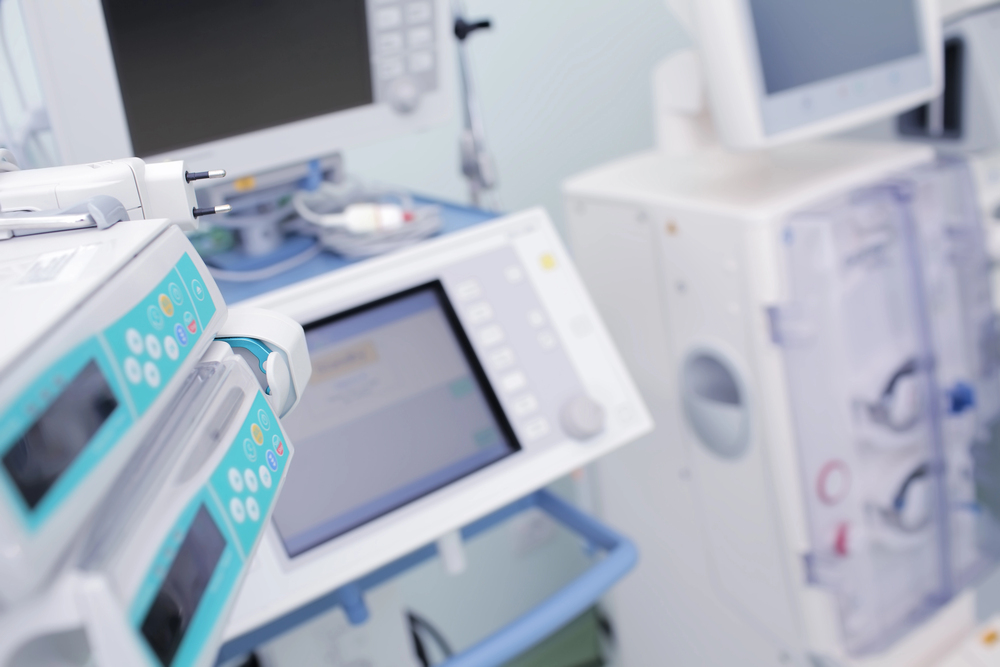
Testing and evaluation of medical devices constitute one of the most critical phases of state market authorization in the Russian Federation and under the regulatory framework of the Eurasian Economic Union (EAEU).
The resulting test data substantiate the quality, safety, and intended performance claims of the device, establishing the evidentiary foundation of the registration dossier submitted to Roszdravnadzor and the competent authorities of EAEU member states.
BRACE Law Firm provides comprehensive legal counsel across all stages of medical device testing: from regulatory audits of technical documentation and selection of accredited testing centers to legal verification of test reports against the stringent benchmarks of expert evaluation bodies.
Legal Support for Medical Device Testing and Registration in Russia and the EAEU
Testing protocols are governed either by Russian national legislation or by unified EAEU regulations, depending on the chosen market authorization pathway. The scope and composition of mandatory assessments are determined on a case-by-case basis, factoring in the device's intended medical purpose, potential risk classification, structural design characteristics, and material composition.
Advisory on Testing Classifications and Regulatory Requirements in Russia and the EAEU
| Testing Category | Objective and Scope | Regulatory Triggers and Evaluation Parameters |
|---|---|---|
| Technical Testing | Verification of the device's operational reliability, structural integrity, and performance parameters. | The scope and specific testing parameters depend on the intended medical purpose and applicable harmonized technical standards. For electrically powered devices or those containing electronic components, the testing program mandates electromagnetic compatibility (EMC) evaluations. |
| Biological Evaluation (Biocompatibility Assessment) | Assessment of biological safety and biocompatibility profiles of medical device contact materials. | The necessity, nature, and depth of testing are governed by the presence, route, and duration of direct or indirect human body contact. |
| Clinical Evaluation / Clinical and Laboratory Trials | Substantiation of the clinical safety, functional efficacy, and therapeutic performance for the intended use. | The clinical evaluation pathway is determined by statutory criteria, device complexity, and the sufficiency of existing evidentiary data: it may involve systematic clinical data appraisals or prospective clinical and clinical laboratory trials. |
| Metrological Testing | Pattern approval testing for measuring instruments. | Mandatory for medical devices featuring measuring functions that fall within the scope of statutory regulation governing the uniformity of measurements. |
Selection of Accredited Laboratories and Testing Management
Statutory regulations establish a dedicated regulatory pathway for the importation of foreign-manufactured device samples designated for testing. Rigorous compliance with health authority notifications and customs clearance protocols ensures proper sample traceability and full alignment between import documentation and the final registration dossier.
Managing Medical Device Testing Under Unified EAEU Rules
When structuring registration procedures under the supranational framework of the Eurasian Economic Union, testing operations must align with regional Union-wide mandates:
- Accredited Facility Allocation:
- Technical testing and biological evaluation must be conducted exclusively by accredited testing laboratories (centers) duly entered into the unified EAEU register of conformity assessment bodies.
- Clinical and clinical laboratory trials must be performed within certified medical institutions formally authorized and listed in the EAEU registry of approved clinical testing sites.
- Verification of Essential Requirements: Test programs are formulated specifically to generate documentary evidence demonstrating compliance with the EAEU Essential Principles of Safety and Performance of Medical Devices.
- Clinical Evidence Dossier Compilation: Clinical evaluation documentation is structured in adherence to EAEU registration dossier requirements and supplemented with comprehensive clinical study reports whenever prospective clinical investigations are mandated.
- Mutual Recognition Regulatory Navigation: Finalized test materials are submitted for expert evaluation in the reference member state and subsequently in recognition states, where competent authorities assess evidentiary sufficiency under Union procedures.
Audit of Testing Protocols and Regulatory Risk Mitigation
Deficiencies in drafting testing programs and methodological frameworks, as well as retaining laboratories with an incomplete scope of accreditation, can lead to severe regulatory vulnerabilities, including:
- Formal deficiency notices and extensive requests for additional information from expert evaluation bodies during dossier review;
- Obligations to conduct supplementary or repeat testing, incurring major project delays and unbudgeted capital expenditures;
- Substantial exposure to negative expert determinations and formal refusal of state market authorization.
Comprehensive Legal and Regulatory Services for Medical Device Testing
- Conducting Pre-Testing Regulatory Audits: Reviewing technical, design, and user documentation, confirming risk classification, and defining an optimal testing strategy tailored to applicable market authorization routes.
- Drafting and Aligning Testing Protocols: Advising on the formulation and harmonization of testing methodologies in strict compliance with current technical standards and regulatory agency precedents.
- Navigating Sample Importation Compliance: Handling statutory electronic notifications to Roszdravnadzor via the Unified Public Services Portal (EPGU) and preparing customs clearance documentation for seamless entry of test units.
- Monitoring Testing Execution: Overseeing laboratory schedules, supervising procedural compliance, and coordinating with accredited centers to prevent statutory timeline overruns.
- Executing Final Report Quality Audits: Conducting rigorous legal reviews of test protocols, biocompatibility assessments, and clinical evaluation files to verify factual consistency and regulatory soundness prior to dossier submission.