RU
RU  ZH
ZH  ES
ES 


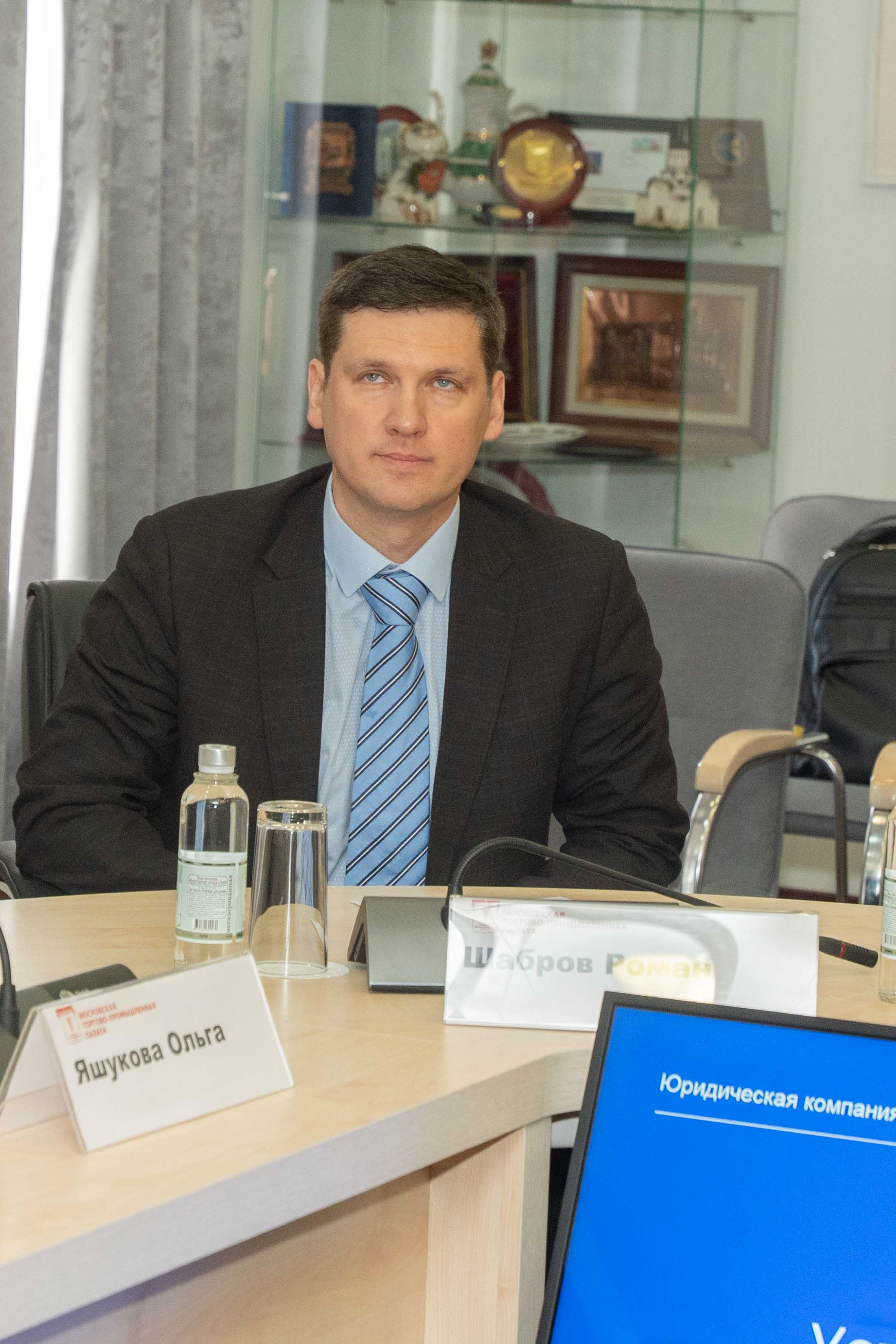
On March 18, 2025, Roman Shabrov, Attorney-at-Law and Partner at BRACE Law Firm, addressed a roundtable organized by the Guild of Trade and Service Enterprises of the Moscow Chamber of Commerce and Industry. The roundtable, titled "Effective Methods for Addressing Contractual Breaches," featured Mr. Shabrov’s presentation on "Foreign Trade Contracts with Chinese Companies: Terms and Options for Protection Against Violations."
In his presentation, Mr. Shabrov outlined the primary operational and compliance challenges that businesses encounter when executing international transactions with Chinese counterparts. Key hurdles include international settlements (such as payment blocks and stringent compliance procedures implemented by Chinese banking institutions), the lack of effective legal remedies in the event of default, contractual drafting errors, and unilateral price escalations during contract performance.
Among the most frequent contractual breaches committed by Chinese suppliers, Mr. Shabrov noted non-compliance with delivery schedules, a high incidence of manufacturing defects, a decline in product quality following initial shipments, and improper product labeling, among other regulatory infractions.
Mr. Shabrov emphasized that structuring cross-border commercial transactions involving Chinese entities requires a sophisticated understanding of a complex regulatory framework. Key sources governing these international trade relations include:
- National legislation of the Russian Federation;
- Domestic laws of the PRC, including traditional legal principles of mainland China. Chinese authorities themselves characterize this framework as a "socialist legal system with Chinese characteristics" (中国特色社会注意法律体系);
- Laws of the Hong Kong SAR, Macao SAR, and Taiwan, if the counterparty is incorporated within these jurisdictions;
- The 1980 United Nations Convention on Contracts for the International Sale of Goods (CISG);
- The Protocol on General Conditions of Delivery of Goods between the USSR and the People's Republic of China (signed in Beijing on March 13, 1990);
- Bilateral treaties and other international instruments executed by the Russian Federation and the PRC.
Beyond standard boilerplate clauses, Mr. Shabrov highlighted several critical provisions that legal counsel must meticulously structure in foreign trade contracts. These include the choice of Incoterms; a clearly defined scope and subject matter; pricing mechanisms and payment terms; stringent quality standards; governing law and dispute resolution venues; contract duration alongside definitive delivery schedules; detailed information regarding the parties; authorized signatories; and comprehensive force majeure provisions.
He noted that common pitfalls in contract drafting include utilizing templates that fail to comply with applicable statutory regulations, discrepancies between the Chinese, English, and Russian language versions, contradictions between the chosen Incoterms and other contractual terms, and absent or unenforceable dispute resolution mechanisms, particularly regarding quality disputes.
To effectively mitigate legal and regulatory risks, the contract must explicitly stipulate hard shipment deadlines, liquidated damages or penalties for non-performance, and granular delivery details. Furthermore, companies should incorporate provisions allowing for the monitoring of the manufacturing process and volume controls, while accounting for production lead times and other operational contingencies.
Mr. Shabrov also addressed the selection of dispute resolution forums in contracts between Russian and Chinese enterprises. He evaluated the core risks and distinct features of litigating or arbitrating disputes within the International Commercial Arbitration Court (ICAC) at the Chamber of Commerce and Industry of the Russian Federation, the China International Economic and Trade Arbitration Commission (CIETAC), the Hong Kong International Arbitration Centre (HKIAC), other international commercial arbitration tribunals, the state commercial (Arbitrazh) courts of the Russian Federation, and the state courts of the PRC. The presentation concluded with an analysis of judicial enforcement remedies and options available to safeguard corporate assets against contractual defaults by Chinese companies.
Link to the Moscow Chamber of Commerce and Industry news coverage: https://mostpp.ru/news/podderzhka-predprinimatelstva/gramotno-sostavlennye-dogovory-pomogayut-izbezhat-problem-ubytkov-i-dazhe-bankrotstva/